
Views: 0 Author: Site Editor Publish Time: 2025-10-22 Origin: Site
Choosing the right semi trailer is a critical decision for any business involved in transportation, logistics, or construction. Semi trailers are the backbone of modern freight transport, offering flexibility, efficiency, and reliability. However, selecting the most suitable trailer requires understanding your specific business needs, cargo types, and operational conditions. In this article, we explore everything you need to consider when choosing the right semi trailer for your business, from types and specifications to safety, cost, and maintenance considerations.
The first step in selecting a semi trailer is evaluating your business operations and identifying your transport requirements. Not all semi trailers are created equal, and the ideal trailer will depend heavily on the type of cargo you handle and the distances you cover.
Different industries have unique transportation requirements. For instance, logistics companies may need flatbed or side curtain trailers to carry palletized goods, while construction businesses often require heavy-duty trailers for machinery and building materials. Automotive transporters need car carrier trailers to move vehicles safely and efficiently.
When assessing your cargo, consider factors such as:
Weight and volume of goods
Fragility or sensitivity of materials
Special handling requirements (e.g., liquid or hazardous materials)
Frequency and distance of deliveries
Seasonal fluctuations in demand, which may require flexibility in trailer selection
Evaluating these factors helps determine not only the trailer type but also additional requirements such as reinforced flooring, hydraulic ramps, or temperature-controlled compartments.
The operational range of your business will also affect your choice. Long-haul transport often requires trailers with better suspension systems, aerodynamic design for fuel efficiency, and robust braking systems. Short-distance urban transport might prioritize ease of loading and unloading, maneuverability, and accessibility.
Businesses should also consider the roads and infrastructure where the trailer will operate. For example, trailers used in urban areas may need tighter turning radii and adjustable height clearance to navigate bridges and narrow streets, while long-distance freight trailers benefit from features that reduce wind resistance and enhance fuel efficiency.
Understanding the different types of semi trailers is essential for matching your business needs with the right trailer. Each type offers distinct advantages depending on the cargo and transport conditions.
Trailer Type | Description | Common Applications | Advantages |
Flatbed Trailer | Open platform trailer without sides or roof | Heavy machinery, building materials, oversized cargo | Easy loading/unloading, flexible cargo size |
Tanker Trailer | Cylindrical trailer for liquids and gases | Fuel, chemicals, water transport | Leak-proof, specialized safety features |
Car Carrier Trailer | Multi-level trailer designed to transport vehicles | Automotive dealers, manufacturers | Protects vehicles, high capacity |
Side Curtain Trailer | Trailer with retractable side curtains | Palletized goods, mixed cargo | Quick loading/unloading, adaptable to various cargo types |
Refrigerated Trailer | Insulated trailer with temperature control | Perishable food, pharmaceuticals | Maintains cargo temperature, reduces spoilage |
Each trailer type is engineered for specific applications. Selecting the right type ensures operational efficiency and minimizes the risk of damage during transit. For instance, choosing a flatbed trailer for oversized construction materials ensures that loading equipment such as cranes or forklifts can access cargo easily, improving productivity. Similarly, a refrigerated trailer is essential for transporting perishable goods like seafood or pharmaceuticals, where even minor temperature fluctuations can lead to spoilage and financial loss.
One of the most critical factors in choosing a semi trailer is understanding the load capacity. Overloading a trailer can lead to safety risks, regulatory issues, and increased maintenance costs.
The load capacity is influenced by the trailer’s structural design, material, and axle configuration. Businesses should carefully calculate the maximum weight of their typical cargo, including packaging and pallets. Always choose a trailer that provides a margin above your standard cargo weight to account for unexpected variations. For example, if your business frequently transports heavy industrial machinery, selecting a trailer rated slightly above your heaviest load ensures compliance with road safety regulations and reduces stress on the trailer frame.
Proper weight distribution is essential for safe operation. Semi trailers come with various axle configurations—single, tandem, or tri-axle setups. The number of axles affects the trailer’s ability to carry heavy loads and comply with road regulations. Selecting the right axle configuration ensures stability and reduces wear on both the trailer and the towing vehicle. Overloading a single-axle trailer not only risks legal penalties but also increases tire wear and suspension damage, leading to higher maintenance costs.
The material and build quality of a semi trailer significantly impact its durability, performance, and maintenance costs. Businesses must balance strength, weight, and cost when making a choice.
Steel Trailers: Highly durable, excellent for heavy-duty applications, but heavier, which may reduce fuel efficiency. Steel trailers are ideal for construction and mining industries where trailers are exposed to harsh conditions and rugged terrain.
Aluminum Trailers: Lightweight, corrosion-resistant, and fuel-efficient, ideal for medium loads, but may cost more initially. Aluminum trailers are particularly suited for logistics companies looking to optimize fuel consumption over long-distance routes while maintaining cargo safety.
Critical components such as the frame, suspension system, and braking mechanisms should meet high-quality standards. Robust construction ensures the trailer can withstand harsh conditions and maintain safety over time. Reinforced flooring, anti-corrosion coatings, and precision-welded joints are additional considerations that enhance trailer longevity.
Safety is paramount when transporting goods, especially over long distances. Choosing a semi trailer with advanced safety features helps protect both cargo and personnel.
Anti-lock braking system (ABS)
Reflective markings and lighting for visibility
Emergency brake systems and stability controls
Reinforced frames for hazardous cargo
In addition, many modern trailers are equipped with monitoring systems that alert drivers to tire pressure, brake performance, and load shifts, reducing the risk of accidents and cargo damage.
Depending on the region and cargo type, semi trailers must comply with standards such as DOT regulations in the United States or ISO certifications internationally. Ensuring your trailer meets these standards reduces liability and enhances operational reliability. Non-compliance can result in fines, transport delays, and even insurance issues, making adherence to regulatory standards a critical factor in trailer selection.
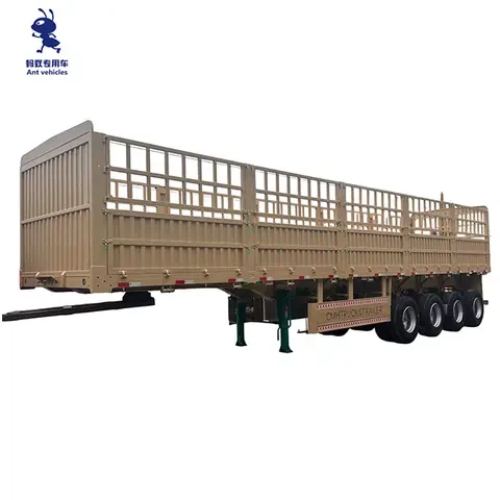
Budget is a significant factor when choosing a semi trailer. Businesses must evaluate both upfront costs and long-term operational expenses.
While steel trailers may have a lower initial price, aluminum trailers often offer better fuel efficiency and lower maintenance costs. Consider the total cost of ownership, including repairs, fuel consumption, and depreciation. For example, a heavier steel trailer might increase fuel costs over time, whereas a lighter aluminum trailer can save thousands annually in fuel expenditures for long-haul operations.
Purchasing a used semi trailer can reduce initial costs, but potential maintenance issues should be carefully evaluated. A new trailer may offer warranties and modern safety features, providing peace of mind and lower long-term risk. Conducting a thorough inspection and reviewing maintenance records is crucial when considering used options.
Customizing your semi trailer can improve efficiency and align with specific business needs.
GPS tracking and telematics for real-time monitoring, helping fleet managers optimize routes and reduce fuel consumption
Specialized compartments for hazardous materials, ensuring regulatory compliance and safe handling
Adjustable side curtains or multi-level racks for vehicle transport, allowing flexible cargo arrangements
Company branding and signage, enhancing corporate image during transportation
Customization ensures that your semi trailer not only meets operational requirements but also supports business branding and efficiency.
Regular maintenance extends the lifespan of a semi trailer and ensures safety.
Tire pressure and wear checks, including sidewalls and treads
Brake system performance and fluid levels
Suspension and axle integrity inspections
Frame and body checks for corrosion or damage
Implementing a structured maintenance schedule can prevent costly breakdowns and extend trailer longevity.
Select manufacturers that offer reliable after-sales support, spare parts availability, and guidance for maintenance schedules. Proactive service helps prevent costly downtime and operational delays. Some manufacturers also provide training programs for operators, which can improve trailer handling and reduce accident risk.
A comparative analysis helps businesses choose the right trailer based on application, budget, and operational efficiency.
Criteria | Flatbed | Tanker | Car Carrier | Side Curtain | Refrigerated |
Typical Cargo | Machinery, Construction Materials | Liquids, Chemicals | Vehicles | Palletized Goods | Perishable Food, Pharmaceuticals |
Weight Capacity | High | Medium to High | Medium | Medium | Medium |
Loading Efficiency | Moderate | Specialized | Moderate | High | Moderate |
Cost | Medium | Medium to High | High | Medium | High |
Maintenance | Moderate | High | Moderate | Moderate | High |
Safety Features | Standard | Enhanced for Liquids | Vehicle-Specific | Standard | Temperature & Safety Sensors |
This table provides a detailed reference for businesses to match trailer types with operational requirements and budget considerations.
Align the trailer type with your cargo and industry requirements.
Evaluate load capacity and ensure a safety margin for unexpected cargo variations.
Consider material and build quality for durability and fuel efficiency.
Prioritize safety features and regulatory compliance.
Balance upfront cost with long-term value and maintenance considerations.
Customize optional features based on operational needs.
Choose manufacturers with reliable after-sales support.
Incorporate technological enhancements such as GPS tracking or telematics for route optimization.
Factor in future scalability—your trailer choice should accommodate anticipated growth in cargo volume.
Train operators in proper loading, weight distribution, and routine maintenance to maximize trailer lifespan and safety.
By following these guidelines, businesses can select a semi trailer that maximizes efficiency, safety, and cost-effectiveness while supporting long-term operational growth.
Selecting the right semi trailer for your business is not just a purchase—it’s a strategic investment that impacts operational efficiency, safety, and long-term cost management. The ideal semi trailer should match your business requirements, cargo types, and operational conditions, ensuring reliable transport while minimizing downtime. Carefully considering trailer types, load capacities, materials, safety features, customization options, and maintenance support can make a significant difference in achieving seamless logistics operations and maximizing productivity.
For businesses seeking high-quality, durable, and versatile semi trailers, Shandong Ant Vehicles Co., Ltd. offers a comprehensive range of solutions designed to meet diverse industry needs. Their expertise in manufacturing, customization, and after-sales support ensures that companies receive trailers that enhance safety, efficiency, and overall performance. Whether you are transporting construction materials, vehicles, or specialized cargo, their team can provide professional guidance to help you choose the right trailer for your operations. To explore their product offerings or discuss specific requirements, contacting Shandong Ant Vehicles Co., Ltd. directly is a reliable step toward optimizing your transport solutions and achieving long-term business success.


