
Views: 0 Author: Site Editor Publish Time: 2026-01-16 Origin: Site
When purchasing a fuel tank semi trailer, cost is a primary factor that influences the decision-making process for fuel distributors, logistics companies, and industrial clients. However, the cost is not a simple, one-size-fits-all figure. Various factors come into play when determining the price of these essential vehicles. From size and capacity to material quality and safety features, understanding the cost breakdown can help businesses choose the right fuel tank semi trailer for their needs. This article will provide an in-depth look at the cost of fuel tank semi trailers, what drives these costs, and how to evaluate the value of your investment.
The price of a fuel tank semi trailer can vary widely depending on whether you are purchasing a new or used model. Understanding the general price ranges can help businesses set expectations and make informed purchasing decisions.
Used Trailers:
For businesses on a budget, used fuel tank semi trailers offer a more affordable option. The price for used trailers can vary significantly depending on the trailer’s age, condition, and capacity. A smaller, older trailer may be priced as low as $10,000, while newer or well-maintained used models may cost up to $30,000.
New Trailers:
For those looking for a brand-new trailer, the price range is typically higher. A standard fuel tank semi trailer with basic features can cost anywhere from $30,000 to $80,000. The pricing can climb even higher for larger, more specialized trailers.
Here’s a breakdown of some common price ranges based on trailer category:
Model / Category | Approx. Price (USD) | Notes |
Small capacity demo / used | $10,000–$30,000 | Used or small local units |
New standard trailer | $30,000–$80,000+ | Middle market |
High-capacity / customized | $80,000–$150,000+ | Large / specialized units |
Several factors determine the price of a fuel tank semi trailer. From the materials used in construction to the custom options available, each of these elements contributes to the final price.
One of the most significant factors in determining the price of a fuel tank semi trailer is its capacity. Trailers with larger tanks—typically ranging from 10,000 to 60,000 liters—cost more due to the increased amount of material required to build the tank, as well as the added engineering complexity to ensure it can safely transport large volumes of fuel.
Additionally, the physical dimensions of the trailer, such as its length and axle configuration, affect its price. Larger trailers designed for long-haul, multi-site fuel supply will have higher costs than smaller, regional trailers.
The choice of materials plays a significant role in determining the cost. Q345 steel frames are commonly used for their strength and durability, but 304 stainless steel inner tanks are often preferred for their resistance to corrosion, especially when transporting petroleum products that can be harsh on standard metals. Stainless steel tanks are more expensive than their carbon steel counterparts, but their durability and longevity make them worth the investment for many companies.
Some manufacturers also offer coated steel options, which provide additional protection against corrosion. These materials add to the overall price of the trailer but are beneficial in maintaining the trailer's structural integrity over time.
Safety is paramount when transporting dangerous goods like fuel. Fuel tank semi trailers are equipped with various safety systems to prevent accidents and protect both the cargo and the driver. Features such as emergency shut-off valves, anti-static grounding cables, and pressure relief valves add to the cost of the trailer. These systems are critical for ensuring that the trailer complies with international safety standards, such as the ADR (European Agreement Concerning the International Carriage of Dangerous Goods by Road) or the DOT (Department of Transportation) regulations in the U.S.
Regulatory compliance also affects the cost of a fuel tank semi trailer. Trailers designed to meet specific safety and environmental regulations, such as ADR or DOT certifications, will be priced higher due to the additional engineering required to ensure the trailer meets these standards. Companies that export to different countries may also need to consider compliance with local regulations, which can further influence the price.
Businesses that need specialized trailers may require additional features, such as multiple compartments for transporting different types of fuel simultaneously. Other customization options include insulation systems for maintaining fuel temperature in extreme climates and heating systems to prevent fuel freezing in colder regions. These customizations can increase the price of the trailer but provide added value for businesses with specific transport needs.
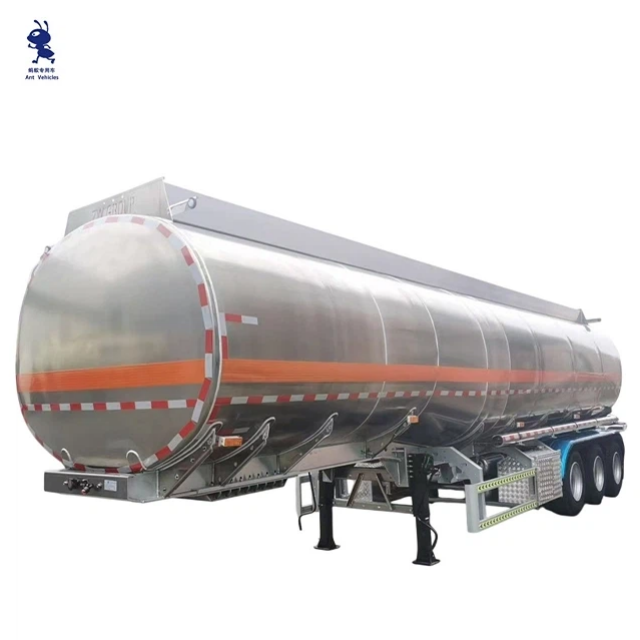
When considering the total cost of ownership for a fuel tank semi trailer, it’s important to look beyond the initial purchase price and evaluate the ongoing operational costs.
Insurance and registration are significant ongoing costs for fuel tank semi trailers. Given the hazardous nature of the cargo, insurance premiums for fuel tankers tend to be higher than those for other types of trailers. Additionally, trailers must be registered in accordance with local laws, and the fees associated with registration can vary depending on the region.
Regular maintenance is essential to keeping a fuel tank semi trailer in good working order. Maintenance costs include inspections, parts replacements, and routine servicing. The size and complexity of the trailer can affect the cost of maintenance, with larger trailers requiring more frequent servicing due to the increased wear and tear. Unexpected downtime due to maintenance issues can also affect a company’s bottom line by limiting the trailer’s availability for transport.
Having reliable access to parts and service support is crucial for minimizing downtime and maintaining operational efficiency. Fuel tank semi trailers require specialized parts, such as valves, hoses, and seals, which may not be readily available in all locations. Ensuring access to spare parts and timely service support is essential for businesses that rely on these trailers for continuous fuel distribution.
The return on investment (ROI) for a fuel tank semi trailer can be measured by how efficiently it moves fuel from one location to another. A larger, more efficient trailer can reduce the number of trips required to deliver fuel, saving both time and fuel costs. As fuel is one of the largest operating expenses for fuel distributors, optimizing the delivery cycle and maximizing the trailer’s efficiency is key to reducing costs.
When purchasing a fuel tank semi trailer, it’s important to focus not only on the price but also on the value the trailer brings to your business. Evaluating the long-term benefits of the trailer, including its durability, safety features, and compliance with regulations, will help ensure that you make a sound investment.
A fuel tank semi trailer is a significant investment, so it’s important to consider its long-term durability. Trailers built with high-quality materials, such as 304 stainless steel, tend to last longer and require fewer repairs over time. Additionally, many manufacturers offer warranties on their trailers, which can provide peace of mind and protect against unexpected repair costs.
Investing in a trailer with advanced safety features and full regulatory compliance can actually save your business money in the long run. Trailers that meet international standards will help reduce the risk of fines and accidents, which can be costly. Lower insurance premiums and fewer fines are just some of the ways a compliant, safe trailer can contribute to your bottom line.
In summary, the cost of a fuel tank semi trailer can range widely based on a variety of factors, including the trailer’s size, materials, safety features, and regulatory compliance. Prices for standard new models typically range from $30,000 to $80,000, while larger or more specialized units can exceed $150,000. When evaluating the total cost of ownership, it’s important to consider ongoing operational costs such as insurance, maintenance, and service support. Ultimately, investing in a fuel tank semi trailer is about balancing upfront cost with long-term value, efficiency, and safety.
For more information on high-quality fuel tank semi trailers and to explore our range of customizable solutions, visit Ant Vehicles today.
1. What factors affect the cost of a fuel tank semi trailer?
The cost is influenced by factors such as the trailer's capacity, material quality, safety features, and compliance with regulations.
2. How long does a fuel tank semi trailer last?
A well-maintained fuel tank semi trailer can last for 12+ years, depending on the quality of materials used and how regularly it is serviced.
3. Are there custom options available for fuel tank semi trailers?
Yes, customizations such as multiple compartments, insulation systems, and heating systems are available to suit specific transport needs.
4. What safety features should a fuel tank semi trailer have?
Key safety features include emergency shut-off valves, grounding cables, pressure relief valves, and compliance with safety standards such as ADR and DOT.


