
Views: 0 Author: Site Editor Publish Time: 2026-01-15 Origin: Site
When it comes to transporting fuel, the size of the fuel tank semi trailer is a critical factor that directly impacts both logistics and operational efficiency. Whether you're in the business of fuel distribution or industrial fuel transport, understanding the right size for your operations can help optimize delivery, reduce operational costs, and ensure safety compliance. In this article, we'll explore the key considerations around the size of a fuel tank semi trailer, including tank capacities, physical dimensions, and how to choose the best size based on your specific transport needs.
The fuel tank semi trailer is an essential vehicle for transporting large volumes of fuel over long distances. This type of trailer is used by fuel distributors, logistics companies, and industrial clients to deliver gasoline, diesel, and other petroleum products. Understanding the specifications, size, and operational requirements of these trailers can help ensure that they meet both operational needs and safety regulations.
When talking about the size of a fuel tank semi trailer, it’s important to distinguish between two main aspects: physical dimensions and tank volume. The physical dimensions refer to the overall length, width, and height of the trailer, which affect its ability to navigate roads, fit into parking spaces, and comply with legal road regulations. Meanwhile, tank volume refers to how much fuel the trailer can carry, typically measured in liters or gallons.
Understanding both these factors is crucial, as they influence the trailer’s maneuverability, payload capacity, and adherence to legal weight limits, which vary depending on the region. For instance, a trailer that is too large may struggle to navigate smaller roads or meet local regulatory standards.
Maneuverability: Longer or bulkier trailers may not fit well on narrow roads, making them harder to navigate, especially in congested or urban areas. A more compact trailer may be easier to drive, but it will have limited capacity. On the other hand, a larger fuel tank semi trailer may be ideal for long-distance hauls but less efficient for smaller, urban deliveries.
Legal Limits: Different regions have specific road weight limits. The gross weight of the trailer (including fuel) must comply with local transport regulations, which can impact how much fuel it can carry without incurring penalties. Oversized trailers could face issues such as road restrictions or even fines.
Payload: The capacity determines how much fuel can be transported in a single trip, affecting delivery efficiency and frequency. With the right size, businesses can minimize the number of trips and reduce operational costs.
The typical measurement units for size are meters (m) or feet for physical dimensions, and liters (L) or gallons (gal) for tank capacity.
Small to Medium Rigs
For smaller-scale operations or regional deliveries, trailers typically hold between 10,000 and 20,000 liters (roughly 2,650 to 5,300 gallons). These rigs are often ideal for transporting fuel within a defined geographic area or to smaller gas stations. They are versatile and can be used for a range of fuel types, but they are best suited for short-distance routes with limited cargo needs.
Larger Long-Haul Tankers
For larger fuel distribution networks and long-haul deliveries, fuel tank semi trailers with capacities ranging from 30,000 to 60,000 liters (~8,000 to 15,000 gallons) are common. These trailers are equipped to handle bulk fuel movements across longer distances, ensuring fewer trips and more efficient transport. Large fuel tank trailers are necessary for operations that cover extensive regions, often moving from refineries to large industrial sites, and even cross-border deliveries.
Fuel tank semi trailers also vary in length depending on the capacity. For example:
Small trailers: Usually between 10–12 meters (33–39 feet) long.
Larger trailers: Can range from 12–16 meters (39–52 feet) or more.
Axles and compartments also affect the size. For example, larger trailers often have multiple axles (3–4) to handle the increased weight of the fuel, while multiple compartments can be used to transport different types of fuel in the same trailer.
Capacity (Liters) | Approx. Gallons | Typical Length (m) | Typical Use |
10,000–20,000 | ~2,650–5,300 | 10–12 | Regional deliveries |
25,000–40,000 | ~6,600–10,600 | 12–14 | Major fuel supplier |
45,000–60,000+ | ~11,900–15,800+ | 14–16+ | Long-haul, multi-site supply |
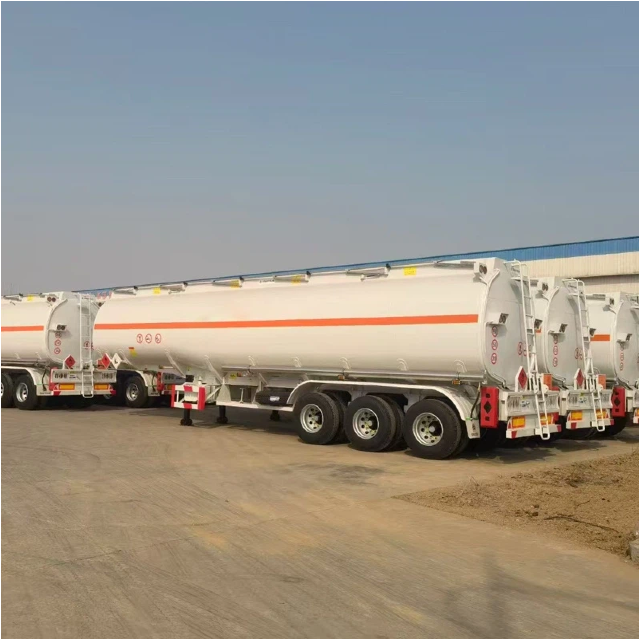
The size of your fuel tank semi trailer has a direct impact on the overall efficiency of fuel transport and the safety of the operation. Larger tanks generally lead to fewer trips, which is both cost-effective and time-efficient. However, larger capacities also bring with them challenges.
Reduced transport frequency: A larger trailer with more capacity means fewer trips to complete the same volume of deliveries. Fewer trips save time, fuel, and labor costs, making long-haul fuel deliveries more cost-effective.
Labor costs: Fewer trips also mean reduced labor costs. When fuel is transported efficiently, fewer drivers are needed for the same volume of product.
The size and weight of a fuel tank semi trailer must align with local legal restrictions. In some regions, the total weight of the trailer (including its fuel load) may not exceed a certain limit. This includes considerations such as weight per axle and total vehicle length. Exceeding these limits can result in fines or delivery delays. Legal limits also affect the safety and operation of the trailer, ensuring that the vehicles are within capacity for safe transport.
When transporting large quantities of fuel, safety mechanisms become even more important. Fuel sloshing within the tank, for example, can affect the stability of the trailer. Larger trailers are equipped with anti-sloshing systems to control fuel movement. Additionally, the trailer must be designed to handle pressure buildup, especially when transporting volatile liquids. Pressure relief valves, emergency shut-off valves, and anti-static grounding cables are essential safety features.
Fuel tankers must comply with a range of transport regulations. For example, European standards (ADR) and U.S. regulations (DOT) set strict rules for fuel transport, including the design of trailers, the materials used in construction, and safety features like emergency shut-off valves, grounding cables, and pressure relief valves.
Choosing the right size for your fuel tank semi trailer depends on several factors. The ideal size will vary based on the scale of your operation, the specific requirements of your delivery routes, and even the region you’re operating in.
Short-haul operations: Smaller, regional rigs (10,000–20,000 L) may be ideal for localized deliveries to gas stations and other facilities within a specific city or town. These operations benefit from compact trailers that can navigate urban areas easily.
Long-haul operations: Larger trailers with 30,000+ liters are better suited for long-distance fuel transport, where fewer trips are necessary. These large tanks are built for efficient, cross-border deliveries and bulk transportation.
In some regions, there may be specific road limitations, such as bridge weight limits or narrow roads, that could affect your choice of trailer size. Also, consider the climate of the area — in colder regions, heating systems might be necessary to prevent fuel freezing, while in hotter climates, insulation layers could help maintain fuel viscosity.
Many fuel tank trailers are customizable, allowing for multiple compartments to store different types of fuel. This feature is essential for fuel distributors who need to transport a variety of petroleum products simultaneously. Custom compartments make it easier to manage different fuel types, ensuring efficiency and compliance.
In conclusion, selecting the right fuel tank semi trailer is crucial for optimizing transport efficiency, reducing costs, and ensuring safe, compliant operations. Whether you're focused on short regional deliveries or long-distance, multi-site fuel supply, the size and capacity of your trailer directly impact your logistics operations. The fuel tank semi trailer that works best for your business depends on your specific needs, operational requirements, and local regulations.
For more information on high-quality fuel tank semi trailers and to explore our range of customizable solutions, visit Ant Vehicles today.
1. What is the typical capacity range for a fuel tank semi trailer?
The typical capacity for a fuel tank semi trailer ranges from 10,000 liters for smaller models to 60,000 liters or more for larger models. These variations depend on the distance and frequency of fuel deliveries.
2. How long is a fuel tank semi trailer?
The length of a fuel tank semi trailer usually ranges from 10 to 16 meters, with larger tanks requiring longer trailers for stability and legal compliance.
3. Can a fuel tank semi trailer transport multiple fuel types at once?
Yes, many fuel tank semi trailers are designed with multiple compartments that allow different fuel types (such as diesel and gasoline) to be transported in the same trailer.
4. What safety features should a fuel tank semi trailer have?
A fuel tank semi trailer should have several safety features, including emergency shut-off valves, grounding cables to prevent sparks, and pressure relief valves to prevent accidents caused by temperature-induced fuel expansion.


