
Views: 0 Author: Site Editor Publish Time: 2025-10-31 Origin: Site
Semi trailers have become an indispensable component in modern logistics, construction, and industrial operations. Their ability to transport heavy, oversized, or specialized cargo efficiently while maintaining safety standards makes them vital for businesses aiming to optimize transport operations. Understanding the advantages of semi trailers in terms of load capacity, operational efficiency, safety, cost-effectiveness, versatility, and environmental compliance can help enterprises make informed decisions when selecting trailers for their fleet. This article explores these benefits in depth, providing technical insights and operational considerations.
One of the most significant advantages of semi trailers is their high load capacity combined with structural flexibility, which allows them to handle a wide range of cargo types efficiently.
Semi trailers are engineered to carry heavy loads ranging from several tons to tens of tons, depending on the trailer type and configuration. This high payload capability enables businesses to transport large volumes in a single trip, reducing operational frequency and overall transport costs. Axle configurations, such as tandem or tri-axle setups, distribute weight evenly, ensuring that trailers can handle maximum allowable loads without compromising stability or safety.
Semi trailers come in various designs, each suited for specific cargo types:
Flatbed Trailers: Ideal for oversized, bulky, or irregular cargo. Open design allows for easy loading from multiple directions.
Box/Enclosed Trailers: Protects sensitive or high-value goods from weather and theft. Temperature-controlled options support perishable cargo.
Tanker Trailers: Specially designed for transporting liquids, gases, and chemicals safely.
Lowboy Trailers: Optimized for extremely heavy machinery or construction equipment, maintaining a low center of gravity.
The flexibility in design ensures that businesses can select a semi trailer tailored to the cargo type and operational needs, enhancing efficiency while minimizing risk.
High load capacity does not compromise safety when trailers are designed according to industry standards. Reinforced frames, durable materials, and carefully engineered suspension systems ensure that heavy loads remain stable during transit. Proper load placement and securing further enhance safety by preventing cargo shift that could impact vehicle handling.
Semi trailers contribute to operational efficiency in several ways, allowing businesses to streamline logistics, reduce costs, and enhance productivity.
Modern semi trailers are designed with aerodynamic considerations to reduce drag and improve fuel efficiency, particularly for long-haul transport. Smooth underbody panels, tapered front designs, and side skirts minimize wind resistance, allowing trucks to consume less fuel while transporting the same load. Efficient load distribution also reduces rolling resistance, further contributing to energy savings.
With the high payload capacity of semi trailers, fewer trips are required to move the same amount of cargo, directly reducing labor costs, fuel expenses, and wear on vehicles. This efficiency is especially beneficial in bulk logistics operations, where transporting thousands of tons of materials over long distances would otherwise require multiple smaller vehicles.
Semi trailers are compatible with multimodal logistics systems, allowing seamless transfer between road, rail, and shipping transport. Containerized trailers, for instance, can be easily moved from port to rail or road without unloading the cargo, saving time and reducing handling risks. This adaptability enhances overall operational efficiency, particularly for global supply chains.
Safety is a paramount consideration in heavy load transport. Semi trailers offer several features and design elements that improve stability, control, and cargo protection.
Suspension systems, including air and leaf spring setups, are designed to maintain trailer stability under dynamic loads. A low center of gravity, combined with proper axle spacing, reduces sway and minimizes the risk of rollover during turns or sudden maneuvers. The articulation between the tractor and trailer allows for controlled pivoting, further enhancing stability.
Modern semi trailers are equipped with advanced braking technologies, such as anti-lock braking systems (ABS), which prevent wheel lock-up and maintain steering control during emergency braking. Trailer braking systems work in coordination with tractor brakes to distribute stopping force evenly, reducing wear and improving safety under heavy loads.
Securing cargo effectively is essential to prevent accidents and maintain trailer performance. Straps, chains, braces, and locking devices are used to stabilize cargo, while modern semi trailers may incorporate load sensors and tilt detectors to monitor movement in real-time. Ensuring that heavy loads remain in place reduces dynamic stress on the trailer frame, axles, and suspension, minimizing maintenance needs and enhancing safety.
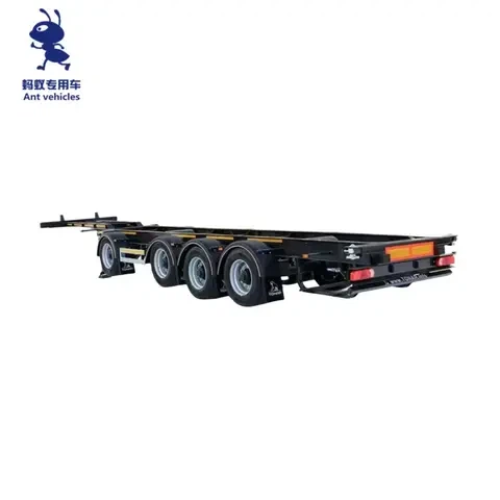
Semi trailers offer long-term cost savings through durability, efficient operation, and reduced maintenance requirements.
Durable materials, reinforced frames, and proper load distribution minimize wear on key components such as tires, axles, and suspension. Preventive maintenance routines, informed by trailer design and operational principles, further reduce unexpected breakdowns and costly repairs. The result is a lower total cost of ownership over the trailer’s operational lifespan.
High-quality semi trailers, when properly maintained and operated within design limits, can last for many years. Evenly distributed loads and adherence to safety and operational standards reduce fatigue on the trailer structure, extending service life and ensuring that the initial investment delivers maximum value.
Efficiency in cargo volume, fuel consumption, and reduced trips directly translates into lower operational expenses. Businesses benefit from fewer vehicles, lower labor costs, and optimized fuel use, creating a significant competitive advantage in logistics operations.
Semi trailers are highly versatile, making them suitable for a wide range of industries beyond standard freight transport.
In warehousing and distribution, semi trailers move pallets, packaged goods, and bulk shipments efficiently. Refrigerated trailers support perishable goods, while flatbeds handle oversized or irregular cargo, ensuring smooth supply chain operations.
Lowboy and flatbed semi trailers are indispensable for moving construction machinery, steel beams, and prefabricated materials. Their design allows for heavy and oversized loads to be transported safely across urban and rural routes.
Agricultural operations rely on semi trailers to transport grains, produce, fertilizers, and farm machinery. Seasonal peak periods benefit from trailers’ flexibility, enabling rapid deployment without compromising efficiency or cargo safety.
Mining, energy, and manufacturing industries use semi trailers to move raw materials, machinery, and critical components. The trailers’ heavy-duty construction ensures they can withstand extreme weights and harsh conditions while maintaining stability and safety.
Modern semi trailers also support sustainable and compliant transport practices.
Aerodynamic enhancements, lightweight yet durable materials, and optimized load distribution contribute to lower fuel consumption and reduced greenhouse gas emissions. Energy efficiency not only reduces costs but also aligns with environmental sustainability goals.
Semi trailers are engineered to meet legal weight limits, axle distribution standards, and safety regulations. Compliance reduces the risk of fines, ensures road safety, and avoids structural damage to both trailers and infrastructure.
By improving fuel efficiency, reducing trips, and extending trailer lifespan, semi trailers support environmentally responsible operations. Businesses adopting semi trailers as part of a modern fleet demonstrate a commitment to sustainable logistics solutions.
The following table highlights the key advantages of semi trailers and their impact across various industries, providing a comprehensive view of why these vehicles are essential for modern transport operations.
Advantage | Description | Industry Impact |
Semi trailers are engineered to transport heavy, oversized, or irregular cargo efficiently. Their reinforced frames, robust axle configurations, and optimized suspension systems allow them to handle significant weight without compromising stability. | Logistics, Construction, Industrial | |
Operational Efficiency | By maximizing payload per trip and reducing the number of journeys required, semi trailers improve fuel efficiency and lower labor costs. Their compatibility with multimodal transport systems further enhances operational efficiency across supply chains. | All industries |
Safety | Stability features, advanced braking systems, and effective cargo securing mechanisms minimize the risk of accidents. Maintaining a low center of gravity and even weight distribution ensures safe handling, even under dynamic road conditions. | Road Transport, Heavy Equipment |
Cost-Effectiveness | Durable materials, reduced component wear, and preventive maintenance strategies extend trailer lifespan, lowering long-term operational and maintenance costs. | Long-term fleet management |
Versatility | Various semi trailer types, such as flatbeds, tankers, and lowboys, allow adaptation to different cargo types and industry needs. This flexibility ensures seamless transport of goods across diverse sectors. | Agriculture, Energy, Manufacturing |
Environmental Compliance | Aerodynamic designs, fuel-efficient operation, and adherence to axle load regulations reduce emissions and contribute to sustainable logistics practices, supporting eco-friendly operations. | Sustainable logistics practices |
This table not only summarizes the primary benefits of semi trailers but also emphasizes their practical impact, helping businesses understand how investing in high-quality trailers enhances efficiency, safety, and long-term operational success.
Semi trailers offer substantial advantages for businesses seeking efficient, safe, and cost-effective transport solutions. Their high load capacity, operational efficiency, safety features, durability, versatility, and compliance with environmental and regulatory standards make them a cornerstone of modern transport operations. By selecting high-quality semi trailers and integrating proper operational and maintenance practices, businesses can achieve long-term savings, enhance safety, and optimize overall transport efficiency.
For companies looking for reliable semi trailer solutions, expert advice, and professional support, Shandong Ant Vehicles Co., Ltd. provides a wide range of semi trailers suitable for diverse industries. Their team of experts can guide fleet operators in selecting the right trailer, optimizing operational practices, and ensuring that investments deliver maximum value. Contacting Shandong Ant Vehicles Co., Ltd. is a practical step toward achieving safer, more efficient, and cost-effective transport operations.


