
Views: 0 Author: Site Editor Publish Time: 2026-08-16 Origin: Site
A dump trailer hydraulic cylinder often looks simple on paper. Standard specifications rarely account for component behavior under real-world stress. An off-center load changes everything. A static shop test differs vastly from a dynamic field environment. Matching a cylinder to an End Dump Semi Trailer requires more than basic lift capacity. It demands a strict geometric and hydraulic balancing act. Improperly sized cylinders create sluggish cycle times. They cause fluid starvation. They can even trigger catastrophic structural failure. This guide breaks down precise technical criteria. You will understand trailer geometry and system compatibility requirements. We evaluate how to select and safely install the correct replacement cylinder. Your Tipper Trailer requires precise configuration for maximum safety. You will learn how to audit your hydraulic circuit. You can then measure physical constraints accurately before purchasing.
Cylinder selection requires calculating stroke length based on the dump body length and required dump angle (typically 45–50 degrees).
Lifting capacity must account for the payload *plus* the weight of the dump box, factoring in a 20-30% safety margin for sticky or uneven loads.
The cylinder's stage count (e.g., standard 3-stage vs. 5-stage) dictates collapsed length and direct compatibility with the trailer's "doghouse" design.
Hydraulic system limits—specifically pump pressure (PSI) and reservoir capacity—must be validated to prevent cavitation and ensure full extension.
Undersized bore diameters compromise lateral stability. Incorrect stroke lengths severely alter the center of gravity. As the cylinder extends, the load lifts higher into the air. This upward movement shifts the trailer's balance point. A cylinder lacking sufficient rigidity will flex under pressure. This flexing increases the risk of lateral tipping. Operators face severe rollover hazards during full extension. A mismatched setup fails to support uneven weight distribution. You must prioritize geometric stability over raw lifting speed.
Mismatched hydraulics destroy business profitability through operational downtime. Premature seal failure often plagues overloaded cylinders. When you overload a cylinder, fluid bypasses the internal seals. This causes internal scoring along the barrel walls. Replacing these scored components requires days of shop time. A system unrated for specific material weights breaks down faster. You lose revenue for every hour the trailer sits idle. Proper sizing prevents these frequent repair cycles.
Static shop-floor testing provides a false sense of security. Dynamic field performance tells a completely different story. Real loads shift unpredictably during the dumping cycle. High winds push against the raised trailer box. Uneven ground twists the trailer frame. These dynamic forces stress the hydraulic cylinder laterally. A perfectly balanced shop test cannot simulate wet, sticky clay. You must evaluate cylinders based on these harsh field realities. A robust safety margin accounts for these unpredictable environmental stresses.
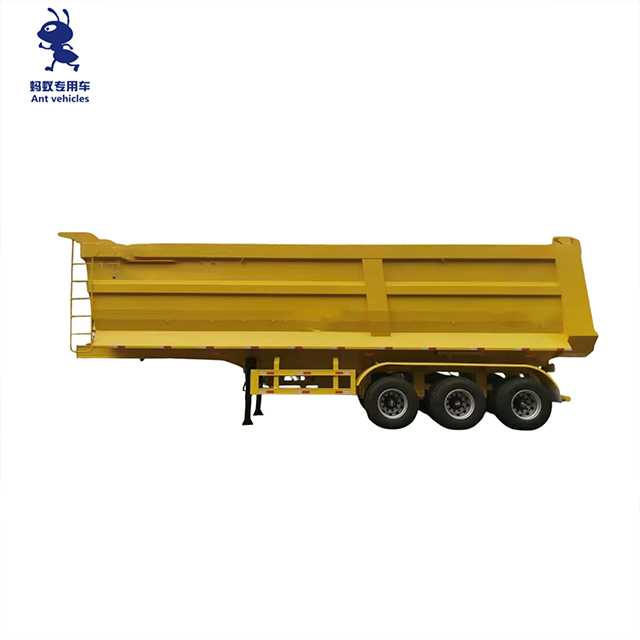
Calculating the required stroke length demands precise geometric formulas. You measure the distance from the rear hinge pin to the lower cylinder mount. This baseline determines the necessary extension. Your target dump angle should reach 45 to 50 degrees. Falling short of a 45-degree angle causes problems. Material remains stuck inside the trailer bed. This forces operators to jerk the trailer, causing severe equipment strain. Conversely, over-extending the cylinder risks structural damage. It tears hinge pins directly from their mounting brackets. Accuracy here prevents structural tears.
Lift capacity relies on pump pressure and bore size. You calculate tonnage using the hydraulic pump PSI. You apply this pressure to the bore diameter of the largest cylinder stage. A larger bore surface area generates more lifting force. You must establish a strict baseline for these calculations. Combine the maximum payload weight and the empty box weight. Add a 25% safety margin to this total. This margin handles sticky loads or unexpectedly dense materials. Never rely purely on the maximum payload figure alone.
End dump designs dictate specific telescopic stage requirements. These trailers typically require multi-stage telescopic cylinders. Side dump applications often use single-stage setups. End dumps need massive extension lengths to achieve high angles. You must balance this required stroke length carefully. The physical constraints of the collapsed cylinder limit your options. A 5-stage cylinder collapses into a much shorter housing. This shorter profile fits easily within a restricted front wall space. A 3-stage unit requires a taller mounting area.
Configuration | Collapsed Length | Extension Capability | Ideal Application |
|---|---|---|---|
3-Stage Telescopic | Long / Tall | Moderate to High | Standard dump trucks with open mounting space |
4-Stage Telescopic | Medium | High | Mid-sized end dumps requiring balanced profiles |
5-Stage Telescopic | Short / Compact | Maximum | High-capacity trailers with restricted doghouse space |
Pivot points define how the cylinder handles movement. You must evaluate these mounts for your specific application. Trunnion mounts offer superior oscillation capabilities. They pivot freely to accommodate shifting loads on uneven terrain. This flexibility prevents the cylinder rod from bending laterally. Pin mounts operate differently. They secure the cylinder rigidly at the top and bottom. Pin mounts remain the standard for rigidly guided applications. They work perfectly when the dump box tracks perfectly straight. A misaligned pin mount will snap under lateral pressure.
The "doghouse" is the recessed cavity on the trailer's front wall. You must verify the physical dimensions of the cylinder housing here. The collapsed cylinder must fit inside without rubbing. Housing friction poses a massive risk during operation. As the trailer articulates, the cylinder sways slightly. If the cylinder rubs against the doghouse walls, it wears down. This friction compromises the outer barrel integrity. You should measure for adequate clearance across the full articulation range. Leave at least two inches of gap on all sides.
Mounting orientation drastically affects maintenance and longevity. Each style offers distinct operational trade-offs.
Inverted Installations: The largest stage mounts at the top. This orientation sheds dirt and debris naturally. It protects the wiper seals from falling rocks. However, inverted setups make bleeding trapped air difficult.
Upright Installations: The largest stage mounts at the bottom. This lowers the overall center of gravity slightly. Mechanics find upright cylinders much easier to bleed. Unfortunately, falling debris collects around the seals, accelerating wear.
Farming environments present unique chemical and physical challenges. Equipment faces frequent exposure to mud, dust, and animal waste. Corrosive fertilizers eat away at standard metal finishes. Your evaluation focus must prioritize surface protection. Enhanced wiper seals keep microscopic dust out of the fluid. Chrome-plated cylinder stages resist chemical pitting effectively. Without heavy chrome plating, fertilizer residue destroys the barrel surface rapidly. Agricultural users often experience seal degradation before structural fatigue. Daily washing helps, but component selection remains your primary defense.
Construction sites abuse equipment through blunt force trauma. Trailers haul boulders, broken concrete, and jagged riprap. High-impact loading shocks the entire hydraulic circuit instantly. Rapid cycle times generate immense heat within the fluid. Your evaluation focus shifts entirely toward structural durability. You need thicker barrel walls to withstand pressure spikes. Reinforced trunnion blocks prevent mounting failure during heavy drops. Higher duty-cycle ratings handle continuous, repetitive lifting. A standard agricultural cylinder will fail within weeks on a demolition site.
Hydraulic cylinders require massive amounts of fluid to extend. Upgrading to a larger cylinder necessitates a strict reservoir audit. A larger bore consumes significantly more hydraulic oil. You run a massive risk of fluid starvation if unchecked. This starvation causes pump cavitation. Cavitation introduces air bubbles that explode under pressure, destroying the pump internals. The reservoir must supply the total volume needed for full extension. It must also retain a safe reserve level at maximum stroke. Never install a 5-stage unit without checking tank capacity.
Speed depends entirely on pump flow rates. You measure this flow in Gallons Per Minute (GPM). You must match the tractor’s PTO pump flow rate to the cylinder volume. A high-volume cylinder paired with a low-GPM pump operates agonizingly slowly. This mismatch ruins site productivity. Conversely, pushing too much flow into a small port generates excessive heat. You want to achieve acceptable lift and lower times safely. Consult flow charts to find the optimal GPM for your desired cycle speed.
System pressure defines your maximum lifting force safely. You must inspect the directional control valves carefully. Ensure the system's pressure relief valve is configured correctly. It must sit below the maximum operating PSI of the new cylinder. If the pump pushes 3,000 PSI into a 2,500 PSI cylinder, seals will blow out. This blowout drops the loaded trailer instantly. Mechanics must test and adjust relief settings using calibrated gauges. Never assume a factory setting matches your specific replacement parts.
Following a strict procurement process prevents costly sizing errors. Use these steps to guide your purchasing decision.
Verify the OEM Part Number: Start by locating existing tags or stampings on the old cylinder. Use this original equipment manufacturer number as your primary baseline. It guarantees the core specifications match the trailer builder's original intent.
Measure the Core Dimensions: Do not rely purely on part numbers. Measure the collapsed length physically. Determine the exact stroke length needed. Check the mounting pin diameters using calipers. Verify the hydraulic port sizes to ensure hose compatibility.
Vendor Evaluation: Prioritize suppliers who operate with technical transparency. They should offer comprehensive load charts for every model. Look for vendors providing documented pressure testing results. Clear warranty terms matter more than a cheap initial purchase price. Avoid suppliers competing strictly on lowest cost.
Matching a cylinder to a tipper trailer requires careful calculation. You must align geometric stroke limits precisely. These limits must balance with hydraulic fluid capacities. Real-world payload demands dictate your ultimate tonnage requirements. We highly recommend auditing your entire hydraulic circuit first. Inspect the pump, reservoir, and valves before finalizing any cylinder specification. Rushing this process leads to dangerous equipment failures. Your next action is crucial. Consult with a qualified hydraulic specialist immediately. Use a verified load-calculation tool to confirm your measurements prior to procurement.
A: Measure the exposed length of each stage when fully extended. Add these measurements together to find the total stroke. Alternatively, subtract the collapsed length from the fully extended length. Always factor in the mounting points to ensure accurate geometric fitment.
A: Slow lifting usually indicates a volume mismatch. The new cylinder likely requires more fluid volume than the existing pump provides. This mismatch in Gallons Per Minute (GPM) output limits speed. Trapped air in the hydraulic system also causes sluggish performance.
A: Yes, you can install a higher tonnage cylinder. However, a larger bore requires more fluid and operates slower on the same pump. Overloading the trailer risks masking underlying structural weaknesses in the frame. Proceed with caution when upgrading capacity.
A: Perform visual inspections daily for leaks or scoring. Grease the trunnion and pin points weekly. Flush and replace the hydraulic fluid annually. In harsh environments, replace the fluid every 1,000 operating hours to maintain system integrity.


