
Views: 0 Author: Site Editor Publish Time: 2025-11-18 Origin: Site
A Car Carrier Semi Trailer is a specialized transport vehicle designed to carry multiple cars safely and efficiently across long distances. It plays a vital role in modern vehicle logistics, connecting manufacturers, dealerships, and distributors by ensuring smooth and reliable vehicle delivery. With the rapid growth of the automotive industry and global trade, demand for more efficient and sustainable transport solutions has never been higher.
In today’s logistics landscape, transport operators face increasing pressure to reduce fuel consumption, operational costs, and environmental impact. As a result, trailer manufacturers are focusing on innovation in both materials and design. The use of lightweight materials and aerodynamic optimization has become key to improving the overall performance of Car Carrier Semi Trailers. These advancements not only enhance fuel efficiency and payload capacity but also contribute to safer handling, reduced emissions, and long-term cost savings.
A Car Carrier Semi Trailer is a specialized transport vehicle engineered to move multiple cars simultaneously in a safe, stable, and efficient manner. Unlike standard freight trailers that carry boxed or palletized goods, a car carrier is designed specifically for the automotive logistics industry, ensuring secure positioning and protection of each vehicle during long-distance transport. These trailers are essential for manufacturers, dealerships, and logistics providers who need to move new or used cars between factories, ports, and retail destinations.
The typical Car Carrier Semi Trailer features a multi-level deck configuration that maximizes loading capacity without exceeding height restrictions. Most models include adjustable hydraulic ramps for easy loading and unloading, allowing vehicles to be driven directly onto the trailer at different levels. The chassis is built with high-strength materials to support the combined weight of several vehicles, while securing systems—such as wheel locks, tie-down chains, or safety rails—keep cars stable throughout the journey. The entire structure is designed to balance durability, safety, and weight efficiency.
Traditional car carrier trailers were primarily constructed from heavy-duty steel and featured relatively flat, angular surfaces. While these designs provided durability and rigidity, they also had significant drawbacks. The heavier frame increased overall trailer weight, leading to higher fuel consumption and reduced payload efficiency. Additionally, the lack of aerodynamic shaping caused greater air resistance during transport, resulting in additional fuel costs over long hauls. These limitations have driven modern manufacturers to explore innovative lightweight materials and aerodynamic improvements, making today’s Car Carrier Semi Trailers more efficient and environmentally friendly than ever before.
Modern Car Carrier Semi Trailers increasingly utilize lightweight yet strong materials to improve efficiency and performance. Common choices include high-strength steel, which provides excellent structural support while reducing unnecessary weight; aluminum alloys, known for their corrosion resistance and significantly lower mass compared to traditional steel; and composite panels, which combine strength and flexibility while further lowering the overall trailer weight. These materials allow trailers to maintain durability and safety while achieving better fuel efficiency.
Incorporating lightweight materials into a Car Carrier Semi Trailer provides several key advantages:
Reduced Trailer Weight and Improved Fuel Efficiency: A lighter trailer requires less energy to tow, resulting in lower fuel consumption during long-distance vehicle transport.
Increased Payload Capacity: By reducing the trailer’s own weight, operators can carry more vehicles per trip without exceeding legal weight limits, improving operational efficiency.
Easier Maneuverability and Lower Wear: Lighter trailers are easier to handle on highways and in urban environments, and they place less stress on tires, suspension, and braking systems, reducing maintenance costs over time.
While lightweight construction offers many benefits, it is crucial to maintain structural integrity. High-strength steel, aluminum alloys, and advanced composites must be engineered to withstand dynamic loads, shocks, and vibrations encountered during transit. Proper design ensures that even with reduced weight, the Car Carrier Semi Trailer remains safe, durable, and capable of securing multiple vehicles under varying transport conditions.
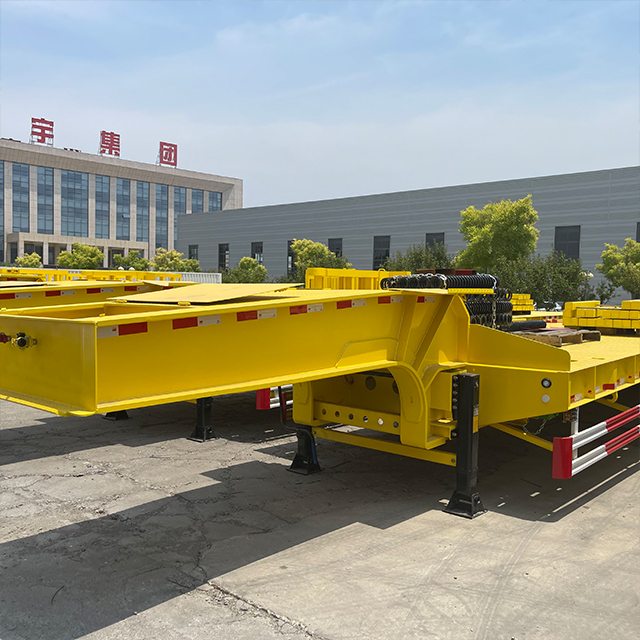
In the context of a Car Carrier Semi Trailer, aerodynamics refers to the optimization of the trailer’s shape and surface features to manage airflow efficiently. The goal is to reduce air resistance, or drag, which directly affects fuel consumption, stability, and overall transport efficiency. Proper aerodynamic design ensures smoother airflow around and through the trailer, particularly important for multi-level vehicle carriers exposed to high-speed highway conditions.
Several design elements contribute to improved aerodynamics in modern Car Carrier Semi Trailers:
Streamlined Front and Rear Profiles: Rounded or sloped edges at the front and rear reduce turbulence, allowing air to flow smoothly along the trailer.
Side Skirts and Smooth Surfaces: Panels along the trailer’s sides and undercarriage prevent airflow from being trapped or disrupted, reducing drag and improving stability.
Optimized Spacing Between Vehicle Decks: Carefully calculated deck gaps minimize turbulence between cars on different levels, enhancing overall airflow and contributing to lower energy loss.
The aerodynamic enhancements in a Car Carrier Semi Trailer yield multiple operational benefits:
Lower Fuel Consumption: By reducing drag, the trailer requires less towing force, which lowers fuel use during highway travel.
Improved Vehicle Stability: Streamlined airflow reduces side winds and turbulence effects, keeping the trailer and its cargo more stable on the road.
Enhanced Long-Haul Efficiency: The combination of fuel savings, stability, and optimized airflow allows operators to transport vehicles over long distances more efficiently, reducing operational costs and environmental impact.
Integrating aerodynamic principles into trailer design is therefore a critical factor in maximizing the efficiency and performance of modern Car Carrier Semi Trailers.
Modern Car Carrier Semi Trailers are increasingly designed to combine lightweight materials with advanced aerodynamic features, creating a synergy that maximizes performance, efficiency, and cost savings. By integrating high-strength aluminum or composite panels with streamlined body shapes, these trailers reduce both weight and air resistance, offering significant advantages over traditional steel designs.
For instance, an aluminum-frame Car Carrier Semi Trailer with carefully curved front and rear profiles, side skirts, and optimized deck spacing can achieve fuel savings of up to 10–15% compared to conventional steel trailers. These improvements not only reduce operational costs but also lower carbon emissions, making the trailer more environmentally friendly without compromising structural integrity or safety.
The combined use of lightweight construction and aerodynamic optimization provides multiple long-term benefits for logistics companies. Reduced fuel consumption lowers transportation costs, while the lighter structure allows for increased payload capacity, transporting more vehicles per trip. Additionally, enhanced efficiency contributes to lower greenhouse gas emissions, aligning with sustainability goals and regulatory requirements. Over time, these innovations make Car Carrier Semi Trailers a smart investment for companies seeking both economic and environmental advantages in vehicle transport operations.
A1: Depending on the material selection, such as high-strength aluminum alloys or composite panels, the total trailer weight can be reduced by 15–25%. This reduction improves fuel efficiency and increases payload capacity without compromising the safety or structural integrity of the Car Carrier Semi Trailer.
A2: Yes. Modern Car Carrier Semi Trailers use curved panels, side skirts, and optimized deck spacing to manage airflow efficiently. Even in multi-level trailers, these aerodynamic enhancements minimize drag and improve fuel efficiency while maintaining stability during transit.
A3: Not necessarily. However, trailers made from aluminum or composite materials may require specialized welding, repair techniques, or corrosion prevention measures compared to traditional steel frames. Routine inspections are still important to ensure long-term performance and safety.
A4: Future innovations include active aerodynamic systems, lighter composite chassis, and smart sensors that can adjust airflow dynamically in real time. These technologies aim to maximize fuel efficiency, reduce emissions, and further enhance the performance of Car Carrier Semi Trailers in long-haul operations.
Lightweight materials and aerodynamic design have become essential factors in enhancing the overall efficiency of Car Carrier Semi Trailers. By reducing the trailer’s weight and optimizing airflow, these innovations help improve fuel efficiency, increase payload capacity, and lower operational costs, all while ensuring the safety and stability of the transported vehicles. The combination of lighter construction and streamlined design also reduces wear on tires, suspension, and braking systems, further enhancing long-term reliability and performance.
Achieving the right balance between structural strength, operational performance, and environmental responsibility is crucial. Modern Car Carrier Semi Trailers are designed to withstand the demands of long-distance transport while minimizing fuel consumption and emissions, contributing to more sustainable logistics practices.
As technology continues to advance, the role of innovation in Car Carrier Semi Trailer design is expected to grow even more significant. Emerging developments in lightweight composite materials, active aerodynamic systems, and smart sensors will further improve fuel efficiency, enhance safety, and optimize vehicle transport operations. These advancements not only offer economic benefits but also help logistics companies meet evolving environmental regulations and sustainability goals, shaping the future of efficient, responsible vehicle transport.


