
Views: 0 Author: Site Editor Publish Time: 2025-12-18 Origin: Site
Skeleton Trailers are widely used in the logistics and transportation industry due to their minimalistic yet highly functional design. Their primary use is in containerized logistics and intermodal transport, where they provide a reliable solution for transporting containers and bulk materials across various regions. One of the key benefits of modern Skeleton Trailers is their lightweight design, which offers several operational and economic advantages.
In this article, we will explore the advantages of the lightweight design in Skeleton Trailers and how it contributes to fuel efficiency, cost savings, and enhanced performance. We’ll also compare lightweight Skeleton Trailers to traditional trailers, discuss the materials and technologies involved, and provide maintenance tips to ensure these trailers continue performing optimally.
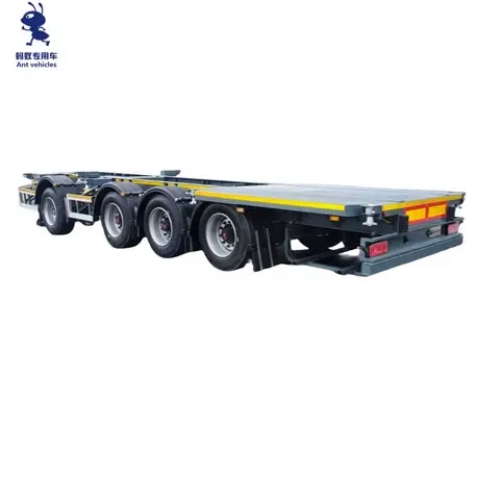
A Skeleton Trailer is a type of semi-trailer that has a minimalistic frame design with no enclosed sides, making it ideal for transporting ISO-standard containers (e.g., 20′, 40′, and 45′ containers). The term "skeleton" comes from its frame structure, which resembles a skeleton with just the essential components needed to support the load.
The key features of Skeleton Trailers include:
ISO Twist-lock Mechanisms: These secure containers onto the trailer, ensuring safe and stable transportation.
Open Frame Design: The structure is designed without a full body, reducing the overall weight and increasing efficiency.
Heavy-duty Axles: Designed to carry substantial weight, often up to 50 tons or more.
These trailers are predominantly used in containerized transport, intermodal logistics, and long-haul freight, providing the flexibility needed in global shipping and transportation operations.
The basic design of a Skeleton Trailer typically includes:
A strong, lightweight steel frame made from materials such as Q345 steel.
Twist-locks that securely hold ISO containers in place.
Axles and a suspension system designed to handle the weight of containers and ensure smooth transport over long distances.
One of the most significant benefits of a lightweight Skeleton Trailer is fuel efficiency. The reduced weight of the trailer directly impacts the fuel consumption of the tractor unit. A lighter trailer requires less power to tow, resulting in lower fuel usage and reduced operational costs.
Lower Fuel Costs: Reducing the overall weight of the trailer allows the vehicle to carry more cargo without increasing fuel consumption.
Long-Term Savings: Over time, businesses can save a significant amount on fuel costs, especially for fleets operating over long distances.
Another benefit of the lightweight design is that it maximizes the payload capacity. Since the trailer itself weighs less, it can carry more cargo, increasing overall efficiency and profits for logistics and transportation companies.
More Goods Per Trip: A Skeleton Trailer designed with lightweight materials allows you to transport heavier containers without exceeding weight limits, making the most of every trip.
Optimized Load Distribution: With a lighter trailer, the vehicle can carry a higher percentage of the total allowable weight.
The lightweight construction also provides better maneuverability and handling, particularly when navigating tight spaces, urban areas, or congested ports. A lighter trailer reduces stress on the axles, making the vehicle easier to control, even under heavy loads.
Better Road Safety: The lighter weight reduces the risk of road fatigue and tire wear, enhancing overall road safety.
Improved Handling in Confined Spaces: The reduced weight allows for quicker turns and easier navigation, especially in urban environments where turning radius is often a concern.
The lightweight design of Skeleton Trailers translates directly into fuel savings. A lighter trailer reduces fuel consumption, which is crucial for businesses that rely on long-distance travel. Over time, this can result in substantial savings, especially when the trailer is in use for hundreds or thousands of miles.
Advantage | Benefit | Impact on Costs |
Fuel Efficiency | Reduces fuel consumption by reducing weight | Significant savings over time |
Lower Maintenance Costs | Less wear on tires and axles due to reduced stress | Reduces repair expenses |
Higher Payload | Allows for more cargo per trip | Increases overall profitability |
Since Skeleton Trailers place less stress on their components, such as the axles and tires, they require less frequent maintenance, translating into cost savings for businesses.
Reduced Wear on Components: The lower weight decreases wear on critical parts like tires, suspension, and brakes, which can save money on repairs and replacements.
By using a lightweight Skeleton Trailer, you contribute to reducing the environmental impact of transportation. These trailers require less fuel, which leads to a decrease in carbon emissions.
Lower Carbon Footprint: The reduction in fuel consumption helps decrease the carbon emissions produced during transport, making it a more environmentally-friendly option.
Alignment with Sustainability Goals: Businesses using lightweight trailers can promote their sustainable practices and meet green logistics goals.
A lighter trailer means that more cargo can be carried within the legal weight limit. This flexibility is essential for logistics companies that need to transport high-value or high-volume goods.
More Efficient Use of Vehicle Capacity: A Skeleton Trailer with a lightweight frame ensures that every trip maximizes the potential of the vehicle’s capacity, reducing the need for additional trips and lowering operational costs.
Adaptability: These trailers are versatile and can handle a variety of cargo types, including ISO containers, bulk goods, and heavy equipment.
A lightweight Skeleton Trailer undergoes less strain, which results in fewer maintenance issues and an overall longer lifespan.
Reduced Structural Stress: The lightweight frame reduces wear and tear on the trailer’s components, enhancing its overall durability and allowing it to last longer.
Better Investment Value: Over time, a lightweight trailer provides better return on investment due to lower operational costs and longer service life.
In port operations, Skeleton Trailers are used to transport ISO containers from the docks to warehouses or other transportation modes. The lightweight design makes the loading and unloading process quicker and more efficient, allowing for faster turnarounds at busy ports.
Faster Turnaround Times: A lighter trailer means less fuel usage per trip, which increases the number of trips possible each day.
More Container Handling: Lighter trailers allow for better efficiency in handling multiple containers without compromising on cargo weight.
Skeleton Trailers are ideal for intermodal transport where goods are transported using multiple modes, such as rail, road, and sea.
Smooth Transitions: The lightweight design ensures that the trailer remains easy to load and unload across different modes of transport, improving overall operational efficiency.
Reduced Freight Time: Lighter trailers lead to faster handling and fewer delays, contributing to the timeliness of deliveries.
Although lightweight, Skeleton Trailers are designed to carry heavy cargo, making them suitable for long-haul transport of large containers and machinery.
Efficient Long-Distance Hauling: The lightweight frame reduces the fuel consumption over long distances, making it more economical for businesses that require overland transport.
The key to the lightweight design of Skeleton Trailers lies in the materials used. Q345 steel is a high-strength material used in the frame construction, providing durability while keeping the trailer light.
Advanced Steel Alloys: Q345 steel allows the trailer to carry heavy loads without significantly increasing the trailer’s weight.
Streamlined Welding Technology: The use of precise welding techniques ensures that every part of the frame is strong, light, and durable.
The design of Skeleton Trailers is optimized for lightweight performance. These trailers are intentionally designed with minimal excess material, focusing on strength and functionality.
Minimalist Structure: The frame only includes the necessary components, eliminating extra weight.
Reinforced Axles and Suspension: Despite the lighter frame, the axles and suspension are built to handle heavy loads and provide smooth, stable rides.
Skeleton Trailers are significantly lighter than traditional trailers due to their minimalistic design. This weight difference leads to better fuel efficiency and increased payload capacity.
Trailer Type | Typical Weight | Fuel Efficiency | Payload Capacity |
Skeleton Trailer | 30% lighter than traditional trailers | Better fuel economy | Higher payload capacity |
Traditional Heavy Trailer | Heavier, bulkier | Increased fuel consumption | Lower payload capacity |
Lightweight Skeleton Trailers outperform traditional trailers in terms of fuel consumption, handling, and cargo capacity. The difference in weight makes a noticeable impact on both fuel savings and overall productivity.
Regular checks on critical components such as the frame, twist-locks, and suspension will ensure that the trailer continues to operate efficiently and lasts longer.
Apply anti-corrosion coatings regularly and wash the trailer to remove salt, dirt, and moisture, especially in coastal or industrial areas.
Maintaining tires and brakes ensures that the lightweight trailer continues to operate smoothly and safely over time.
The lightweight design of Skeleton Trailers offers a range of significant benefits, including fuel savings, increased payload capacity, and reduced environmental impact. By lowering the overall weight of the trailer, it not only improves operational efficiency but also contributes to long-term cost-effectiveness for logistics and transportation companies. This design helps businesses optimize their fleets, improve fuel economy, and reduce maintenance costs, all while increasing their cargo capacity and reducing their carbon footprint.
At Shandong Ant Vehicles Co., Ltd., we understand the importance of efficiency and sustainability in the logistics industry. Our Skeleton Trailers are designed to provide durable, lightweight solutions that enhance your fleet’s performance while helping you meet environmental goals. If you’re looking for a reliable and cost-effective way to transport containers and heavy loads, we’re here to help. Feel free to reach out to us for more information on how our Skeleton Trailers can benefit your business and improve your logistics operations.
What is the weight reduction in a Skeleton Trailer compared to traditional trailers?
Skeleton Trailers are typically 30% lighter than traditional trailers, improving fuel efficiency and payload capacity.
How does a lightweight design affect fuel consumption?
A lighter trailer requires less power to pull, which reduces fuel consumption and operational costs.
Can a lightweight Skeleton Trailer carry as much as a traditional trailer?
Yes, Skeleton Trailers are designed to carry up to 50 tons, providing high payload capacity without sacrificing strength or stability.
How does the lightweight design impact trailer maintenance?
The lighter frame results in less stress on tires, axles, and suspension, reducing maintenance costs and extending trailer lifespan.
Are lightweight Skeleton Trailers suitable for long-haul transport?
Absolutely. Their fuel efficiency and maneuverability make them ideal for long-haul routes and heavy cargo transportation.


